Mbandi's ConsultingMbandi's ConsultancyTurning complex projects into lasting, sustainable resultsStart a conversation

Travel · Ethiopia

From Nairobi to
Danakil.

A journey of survival, discovery and transformation

#thegirlfrommbeere

← Back to Travel

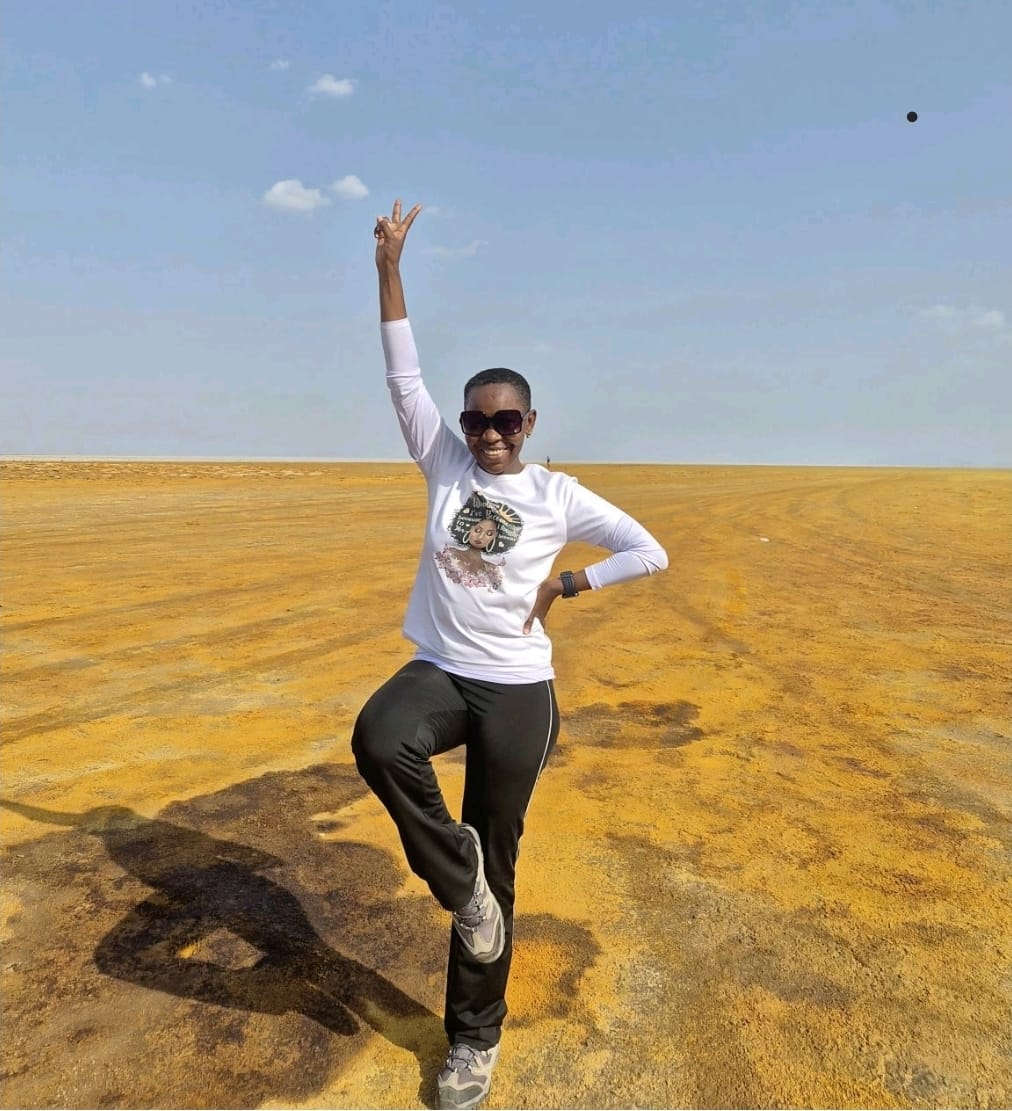
Eunice celebrating on the yellow sulfur plains of the Danakil Depression, Ethiopia

From Nairobi to Danakil: a journey of survival, discovery and transformation

Chapter 1

The Journey Begins — Nairobi to Addis Ababa by Road

Travel with me from Nairobi, Kenya, to Addis Ababa, Ethiopia. YEEEEES, by bus! Six months later, the trip has finally left the WhatsApp group. Which group, Mbandi? Sorry. I meant the solo trip to Addis Ababa and beyond has officially started. And please underline beyond, because yeeeeeees, the final destination will shock you.

This trip will be unforgiving and a real test of survival. I am writing this from Eastleigh at 7:13 p.m. The bus has just left and, yeeeees, it is finally happening. See my bus! It is really nice, and I love it. The red is giving my Lavu vibes, while the crew is giving happy energy. I am excited. Please join me, and let's travel together.

Chapter 2

Nairobi to Moyale — 780 Kilometres Later

780 kilometres and 12 hours and 22 minutes later. Nairobi to Moyale bus trip update — travelling to Addis Ababa, Ethiopia by road. I arrived safely in Moyale at 7:35 a.m. This was the last destination with the lovely Abyssinia bus. I had divided this trip into four legs so that I could document it thoroughly and share as much information as possible. This was the first leg, so kindly follow along as I continue the journey if you're interested in taking the trip. Shall we start?

First, do your research and book with your preferred provider. I chose Abyssinia based on recommendations from Kenyans on YouTube. The bus is stationed in Eastleigh, so I went there twice: once to book and again to travel. You can pay online, but I wasn't willing to take that risk. The bus ticket cost only KSh 2,500.

We left Eastleigh, Nairobi, at 7:13 p.m. They request that passengers arrive by 6:00 p.m. You can also be picked up along Thika Road, provided you notify the crew in advance. We had a 10-minute stopover in Isiolo for dinner at 12:16 a.m. Mark your bus! If you're not careful, you might end up like two of our passengers who accidentally boarded a Nairobi-bound bus instead of the Moyale bus.

We stopped for a security check at the famous checkpoint from 1:04 a.m. to 1:32 a.m. Yes, this place has always been of interest to me. You will need to alight from the bus and present either your ID, passport, or birth certificate. The language here is one of order, without a filter. The next stop was Marsabit, where we made drop-offs at around 4:16 a.m. We finally arrived in Moyale at 7:35 a.m.

The journey was smooth all the way. The drivers changed, which I loved. With a Gen Z conductor equipped with Bluetooth, the entertainment was lit! My seat was right behind the driver, so I had a really good view, and that is what road trips are for. I had three shifts of sleep. Interestingly, I still managed to achieve more than eight hours of sleep. Next post in four hours.

Chapter 3

Crossing the Border — Moyale Kenya to Moyale Ethiopia

Immigration Process: Journey to Addis Ababa by Road

First things first. There is no direct bus from Kenya to Addis Ababa. You need to book two separate buses: one from Nairobi to Moyale, Kenya, and another from Moyale, Ethiopia, to Addis Ababa. Here is a step-by-step account of my immigration experience.

I took a boda boda from the bus stop in Moyale, Kenya, to the immigration office. When you get off the bus, you will be met by many brokers offering to take you to immigration and across to the Ethiopian side. The cost was only KSh 200. Along the way, I stopped to exchange Kenyan shillings for Ethiopian birr by the roadside, guided by the boda boda rider. Apparently, that is how the forex business operates there: go by the prevailing market conversion rate. And here, the language barrier welcomes you!

Please take one of the walking brokers to help you with your luggage and guide you around. I told you this trip is a survival test. There is quite a bit of walking from the Kenyan gate to the Ethiopian gate. At the one-stop immigration point, you need your passport, yellow fever card and clear details of your itinerary.

You then sit down and wait to be directed to the appropriate line. There were not many people, but I still spent almost an hour there. The immigration offices open at 8:00 a.m. Kenyans, please confirm: has Kenya changed its yellow fever card requirements? Does the card expire? I had an issue with my card because a valid vaccination was initially declined after Kenya apparently changed the requirements. The issue was eventually resolved. Remind me, nikirudi, to tell you this tea!

After that, I went to the Kenyan counter for my exit stamp. Know your itinerary well. I recommend printing your bookings. Then proceed to Counter Two for the Ethiopian entry stamp. My friends, here I felt like I was sitting an end-of-semester exam, except this one had only explanation questions! I was asked many questions about my previous travel history and current itinerary. I went through a proper immigration interrogation process and, thankfully, successfully made it through.

From there, I started walking like an international tourist. Yo! My border guide and I walked to the exit gate, where I presented my passport and a man searched my bags. Weird, right? Kenya, we have ladies for ladies, right? Allow me to end this post here. I have another post to write for you in the evening.

Bonus point

I cannot wait for my passport to fill up so I can get another one. I once thought having many stamps and visas in your passport was a big plus. Now it has become very common for me to be interrogated about my past travels.

Chapter 4

Day Two in Moyale, Ethiopia

Errands Before the Journey to Addis Ababa

This post is to update you on my errands here in Moyale, Ethiopia, on Day Two of the trip as I wait to board my bus to Addis Ababa. But first, let's use the crazy Kenners and Mammitos voice like the soundtrack for this intro. Hi, fellow Kenyans! What time is it there? Have you eaten? Mko kadi? Mumekunywa milkshake? Na Brufen?

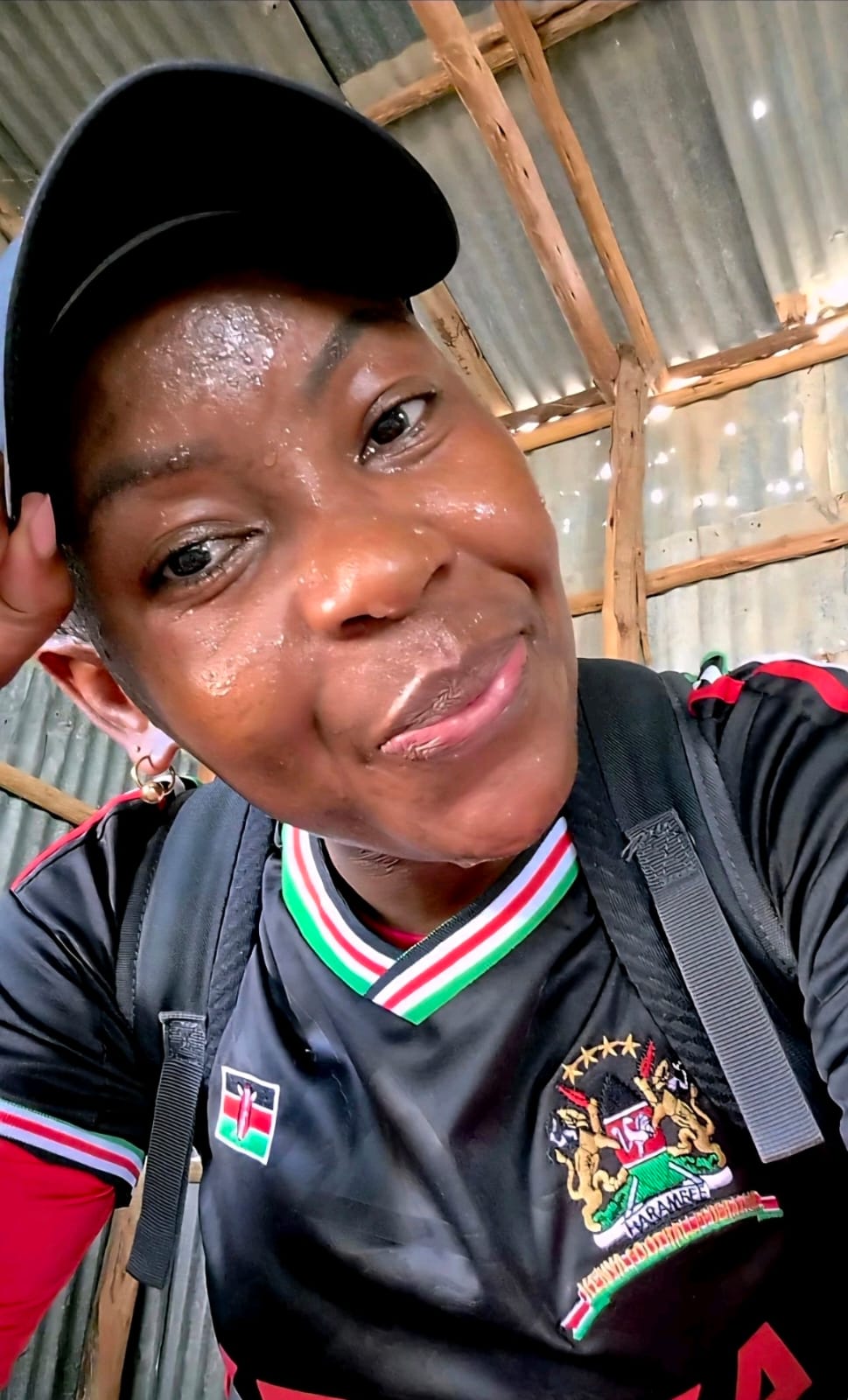
Greetings from Ethiopia! This photo was my happy moment after surviving the immigration process. It was tight! Here, the main mode of transport is the tuk-tuk. They charge between 100 and 200 birr depending on where you're going. Do the conversion homework.

My first stop was to book the Moyale-to-Addis Ababa bus. Guys, it leaves on Sunday at 4:00 a.m., meaning today was a free day. The bus ticket cost 3,050 birr. My next stop was to find a hotel. My research had given me two options. After checking them out, I opted for one with good amenities, only to check in and discover that they had no hot water. I was looking forward to a good shower!

I then went to buy a local SIM card. The lines! It took almost two hours. Somebody please teach me and the other 100 people in that queue about eSIM. Dear Safaricom Kenya, can I have my M-Pesa limit increased now that I am your customer in Ethiopia too? The SIM card and data cost me 800 birr. You see, I am posting accordingly because I have data bundles!

You can imagine, I had not eaten properly the previous night. So I treated myself to some Ethiopian goat meat and Mirinda. Guys, that combination made my day. Very nice! Here, all payments are made in birr. I exhausted the money I had exchanged earlier, so I had to find somewhere to exchange more. I got some.

I went back to my room and completely blacked out. I woke up craving tea and bread, and here I am, surviving on a cup of tea. My plan for the evening is to remind myself that school assignments do not know I am on holiday and get some studying done.

Now let me sleep because my wake-up call is at 3:00 a.m. tomorrow. My journey begins at 4:00 a.m. We will catch up at 8:00 a.m.

Bonus point

The language barrier is real. Totally! My hotel slippers are cut at the front. If you know, you know. Buuuuuut guys, the balcony view from my room! Both front and back. Yo! It's beautiful. Forget the slippers.

Last one. I hear the 4:00 a.m. bus might have some Kenyans on it. Say a prayer. I need someone to take my photos along the way!

Chapter 5

Almost Missing the Bus

Leaving Moyale for Addis Ababa — Everything from 1:00 a.m. to 4:00 a.m.

What a morning! My mind is still spinning, trying to comprehend how I almost missed the bus. I booked my ticket at the main office, and the ticket indicated departure at 4:00 a.m. So I thought, what time should I be at the bus stop tomorrow? The language barrier happened. Well, I assumed 3:00 or 3:30-ish. I was very, very wrong.

I arrived at the office at 3:04 a.m. and found a bus about to leave. When I presented my ticket, I heard, “Addis?” “Yes,” I replied. Everyone suddenly looked worried. Someone told me to board, followed by another bus. I went to my seat only to find it occupied. They asked for my ticket and again asked, “Addis?” I nodded. They called the conductor, and at this point, I figured something was wrong.

And indeed, I was on the wrong bus. Mine had already left. Aiiiiiii! How? Long story short, they took me to the roadblock where my bus was in Queue Number One. I was handed over peacefully. No one spoke English. It was time to download Google Translate.

I boarded my bus and found my seat occupied again. Luckily, the passenger was a darling and moved to their assigned seat. My remaining neighbour? English-speaking! Yeeeeeeeeeees! He explained that the bus had left the office after 2:30 a.m. They come to the roadblock early so that they can be first in line and help passengers arrive in Addis earlier. Phew!

At 4:08 a.m., the PA system announced that it was time for a security check. We all alighted. And guys, this is the next article. Ghai! I finally understood why my hotel wake-up call knocked so hard on my door at 1:24 a.m. I had told him we would leave at 3:00 a.m., and that was the end of English. He left.

Buses don't travel at night in this part of Ethiopia. They leave Moyale at 4:00 a.m. The roadblock was opened at 4:00 a.m., signalling the start of our journey. We were now officially on our way to Addis Ababa, and I was in tears. I couldn't believe I had made it this far. Please see the photo below. It summarises the miracle.

Chapter 6

Four Roadblocks in Six Hours

A Not-So-Comfortable Security Experience

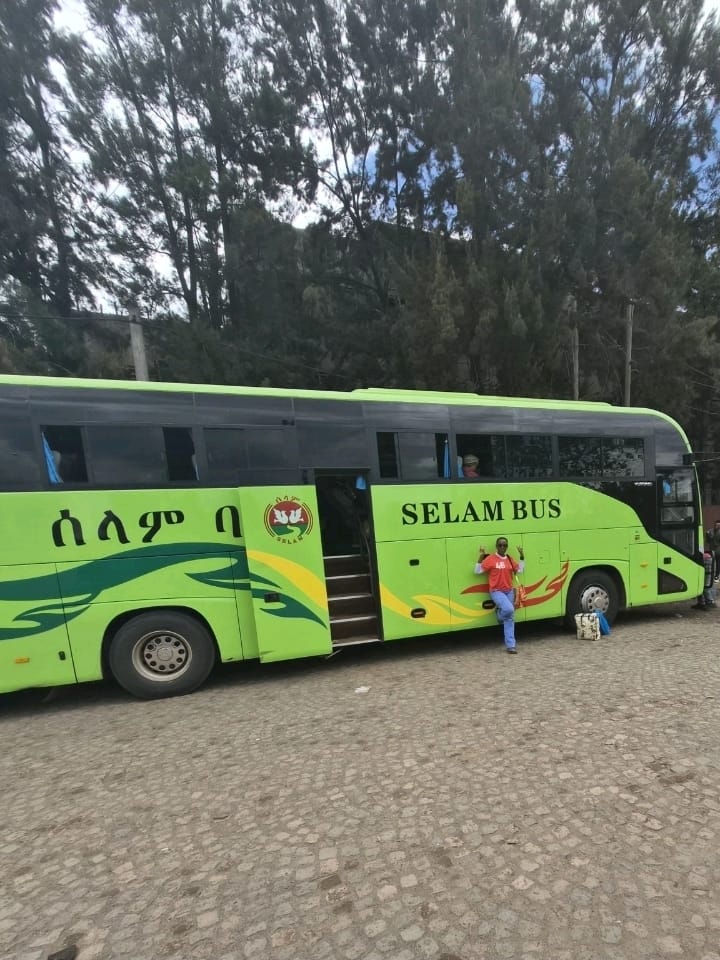
Selam Bus at a stopover on the road to Addis Ababa

It had been several hours since I left Moyale at 4:00 a.m. The bus was comfortable, with free Wi-Fi, water and biscuits on the house. Entertainment was also available throughout the journey on a TV screen. And Ethiopian music? It can make you believe you know how to dance!

We had already gone through four serious police checks. This post is to share my experience with the searches. Is this what they call a pat-down? Because mamaoooo! This goes down as the most invasive search I have ever experienced or witnessed. I can finally use the famous phrase, “Unashikwa shikwa kama avocado.”

In six hours, we had four roadblocks and searches. At each stop, we had to alight, undergo individual searches, and then cross to the other side on foot. The bus would meet us there. The first search was the mother of them all. Imagine someone checking you from your head all the way to your legs. No screening machines. Everything was done by hand. I won't lie; it felt necessary, but it was invasive. I will heal tomorrow. Aiiii!

Nooooo! This wasn't airport-style screening, where a machine alerts someone that something needs further checking. This was different. This one was tough — kufinya avocado! Are you getting what I am trying to describe? I have seen Pepe!

Next came the instruction: open your bag. Everything was searched item by item. That one I expected. Then came the question, “Why do you have two phones?” I explained. Then I heard, “Remove your shoes.” Tulisema this trip is unforgiving, right? I removed my shoes. Security experts, please educate us!

On the positive side, Ethiopia is beautiful. It is incredibly green. I have seen where Arabica coffee comes from.

For anyone considering this route, my bus recommendation is Selam Bus, which costs around KSh 2,500 from Moyale to Addis Ababa. You book it from Moyale, Ethiopia. Once you are cleared by Immigration, ask a tuk-tuk to take you to the Selam Bus office. You pay in birr. Kenyans, hakuna M-Pesa hapa!

The bus leaves Moyale at 4:00 a.m. from the roadblock, and there is no other time, so plan accordingly. Please remember my arrival-time wahala. Confirm what time you should be at the office the next day. From my hard-learned lesson, be at the office by 2:30 a.m. Alternatively, go directly to the roadblock and be there by 3:30 a.m. so they can load your luggage.

The conductor will open and search your bag before loading it. All passengers are equal. There are no VIP seats, but all the seats are very comfortable. Book a window seat. You are a tourist, and you will appreciate the view. They provide Wi-Fi, water, biscuits, entertainment and a PA system for communication. No shouting!

Also prepare for the four roadblock stops. This is not the bus's fault. Please note that these places do not have washrooms. Ladies, T for Tough! Men somehow managed to handle the situation more easily.

The main stopover was at Hawassa for lunch. The restaurants mainly serve Ethiopian food, so ask them to explain the names. Otherwise, you and hunger will become twins. My research had indicated 12 hours to Addis, but we took 16 hours. Prepare for a long day.

The language barrier is a challenge. Your English, polished Swahili and confidence will not necessarily bail you out. There is another bus called Abay, and another whose name I can't quite remember. Selam is more famous on this route, but, to be sincere, that Abay bus was overtaking us like a safari rally car!

My final take is simple: do your research, compare your options and make an informed decision.

Chapter 7

52 Hours Later — Addis Ababa!

Welcome to Addis Ababa, #thegirlfrommbeere

si Mungu aitwe Mungu?

Fifty-two hours later, I am in Addis Ababa! Welcome to Addis Ababa, #thegirlfrommbeere. Yeeeeeeeaah! What a road trip! What an experience! What a masterclass!

I counted every hour from the moment I left my palace in Kenya until I set foot in Addis Ababa. Four hours were spent travelling from the palace to Eastleigh, including boarding and waiting time. Twelve hours and 22 minutes were spent from Nairobi to Moyale. Twenty hours were spent around Moyale, Kenya and Moyale, Ethiopia, while another 16 hours and 30 minutes were spent travelling from Moyale to Addis Ababa.

My people, si Mungu aitwe Mungu?

Now that I am in Addis, the official itinerary for Leg Two has ended. The objective was to explore an alternative route to Addis Ababa by road.

Thank you to everyone who travelled with me virtually. This has been an unfiltered solo travel experience. I will continue sharing things on the go, exactly as they happen.

Spoiler alert

Addis Ababa is just a stopover.

Chapter 8

A Day in Addis Ababa

First, let's do the honours of saying present. Do we have such in Nairobi? Ati, I think with mine? Sawa!

Thank you for the support since Friday. Your support has been amazing. At this rate, I might actually get to the Maldives!

For those asking, the total bus fare was only KSh 5,000. But let's be clear: this is not a luxury road trip. The girl-toto mentality must be on leave. You must be an explorer. Your love for road trips must be authentic, and your why must be clear. If you belong to the “It can never be me” club, please don't join the party.

Chapter 9

Exploring Addis Ababa

Things to Do in Addis Ababa as a Tourist — Leg Three

For the next two legs of this trip, I worked with a travel agent based in Addis Ababa. They are fluent in English, and I had been consulting them since December 2025. In travelling, you must love research and planning. Due diligence and budgeting are important too.

Our first activity was visiting the “Welcome to Ethiopia” sign. It is beautiful, sana! We then took a city drive through the streets of Addis. Guys, Ethiopia in 2026 is beautiful. This one had to happen first.

We stopped at the National Theatre for a photo. It needed some confidence because, honestly, it was a public affair. Next was a photo opportunity at Menelik Square around Piassa. We proceeded to the Adwa Victory Memorial Museum. I won't bore you with descriptions of everything I saw and everything I didn't see.

Next was Arada, where we visited St. George's Cathedral. Guys, Ethiopians pray. Like, seriously! We then went to Merkato to sample what they described as the best juice in Addis. The juice was served with a spoon and bread. There is a lot of bread eating here! And that juice? The best!

We then visited Kidane Mihret Church. Since Mass was in progress, I took the opportunity to learn about the 55-day Ethiopian Orthodox fasting period. It helped that one of my guides is a faithful member.

After that, we went to Entoto Park. They have a Singapore-inspired concept there. Looks like the Singapore dream is shared! The views of Addis from up there are amazing. We did a lot more driving around, and I couldn't stop saying, “Waooo!” Nairobi, Addis is showing us dust!

We then went for lunch to try traditional Ethiopian food called Shro, served with Injera. Yeeeees! It was good. The traditional coffee experience could not be forgotten. They call it Abol Buna. Confession: it was too strong for me!

After that, I requested a walking tour so that I could see the city properly. Mamamia! I have come to appreciate walking tours. They reveal things that driving simply cannot. Nairobi, how many times have I called you?

I opted out of the market tour because I had done it previously, and shopping wasn't on my itinerary this time. The Lucy Dinkinesh National Museum was closed on Monday, so we planned to visit another day. I asked to be taken to the best cake café to satisfy my craving, and yes, I had the best cake of 2026!

We beat stories with my team while enjoying their version of dawa, then continued with our walking tour. I also visited a unique flower shop. The bouquets here are extremely large and beautiful. Fellow Kenyans, we need to talk. Let's have some coffee before we cross the border, aste aste, to benchmark with Ethiopia.

Guys, Ethiopia is beautiful. The roads are amazing. The city is clean. The streetlights work. Dear Nairobi, Addis Ababa is the city to benchmark with. Achana na ile ingine!

By this point, my energy level was zero. I requested to be dropped at the hotel. What was left could be done another day. We reviewed the day's itinerary and set 9:30 a.m. as the next day's pickup time. It was going to be another interesting day. I told God thank you and ended the day as a very happy tourist.

Chapter 10

Bishoftu — The City of Seven Lakes

A Must-Visit Place Outside Addis Ababa

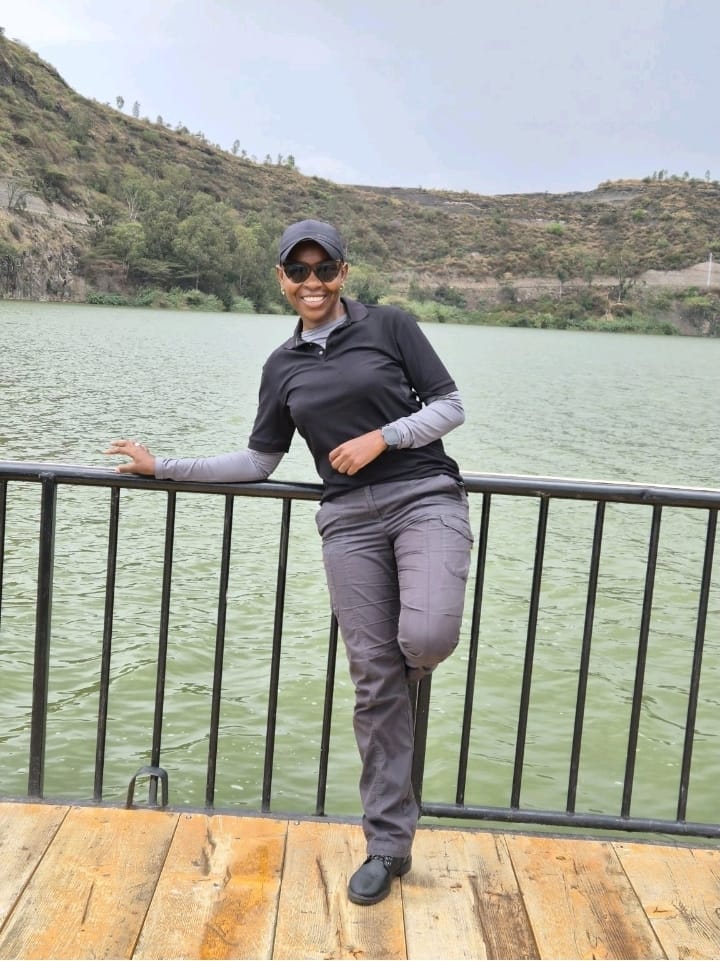
By the crater lake at Bishoftu, the city of seven lakes

I went visiting Bishoftu, also known as Debre Zeit, the city of seven lakes, and my oh my! This name reminded me of Bishofu back in my village. We called our church Bishop Bishofu.

By the way, remember, Addis is not my final destination. My time here is limited, but I am trying to make the most of it. Tomorrow, I will leave for the big reveal. For now, I am preparing for moto si moto, faya si faya!

Back to Bishoftu. If you are coming to Addis with your My Lavu, please make sure you visit Lake Hora. Everything there was screaming, “For two only!” The government has done an amazing job here, making it a special place to chill, relax and genuinely catch up.

We took a boat ride on the crater lake. Then it started raining. Then it stopped. We got off the boat and took a walk. Beat photos. What do you call this? Therapy! It is not okay to visit this lake solo. Noooooo! Take your loved ones there for a whole day.

I requested fish because, now that I was in a lake area, I had to try it. The menu even had a raw fish option. Hehe! At that point, I missed githeri.

We went to another lake, and there is a hotel coming up that is screaming, “More My Lavu, My Lavu!” Aiiiiiiii! Bishoftu was not even kind to your solo traveller.

Let's just end here because... why Bishoftu? Why?

Chapter 11

Ethiopia's Tallest Building

The Commercial Bank of Ethiopia Headquarters

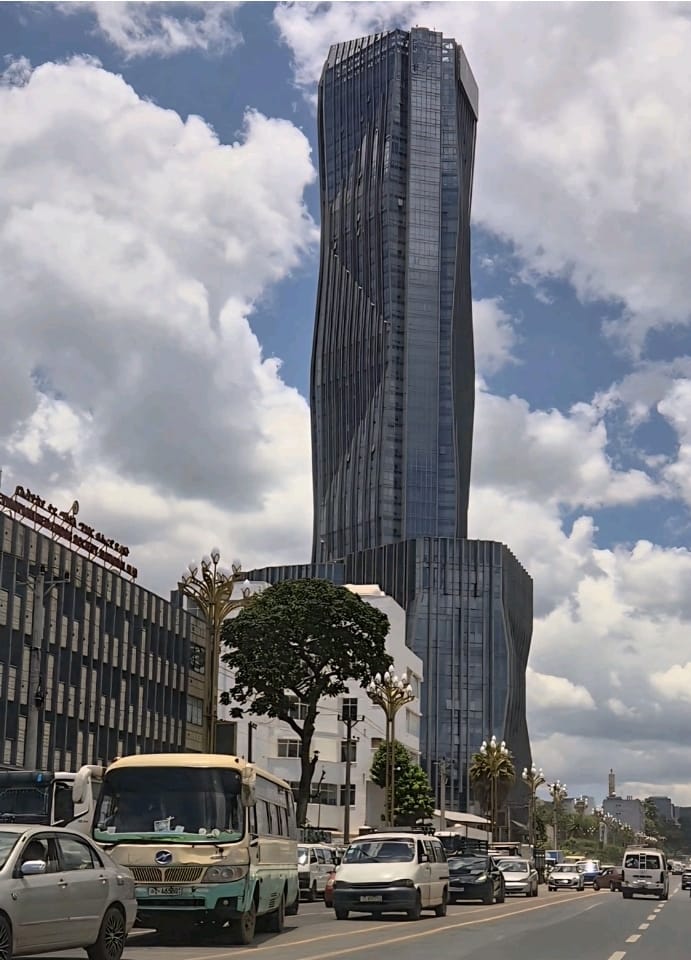
The Commercial Bank of Ethiopia Headquarters, the tallest building in East Africa

My people, Ethiopia, it is! Ethiopian people, receive your flowers. You have won.

I visited the tallest building in Ethiopia and East Africa, the Commercial Bank of Ethiopia Headquarters. The building has 53 floors and cost approximately US$300 million. The main contractor was China State Construction Engineering Corporation, and the building was completed and inaugurated in 2022.

But hold on. The new sheriff is just starting. Another building is under construction. Once completed, the Ethiopian Electric Power Headquarters is expected to have approximately 62 to 66 floors. If completed as planned, it is expected to become the tallest building in Ethiopia, the tallest building in East Africa, the tallest building in Sub-Saharan Africa and the second-tallest building in Africa after Egypt's Iconic Tower.

Weeeeeeeeeeee! Dear Ethiopia, I and one million others are sorry. Forgive us. We underestimated your power!

Chapter 12

Goodbye Addis — The Journey Continues

Flying to Semera

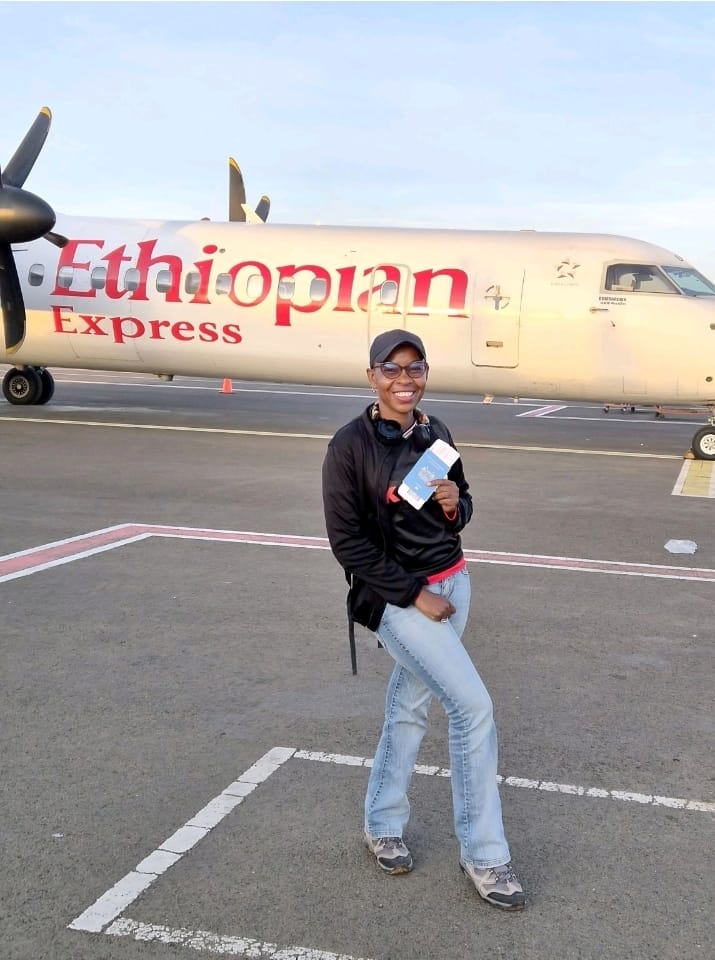
Boarding the Ethiopian Express flight from Addis Ababa to Semera

Bye, Addis Ababa. I am flying the most expensive domestic flight I have ever taken. The cost of this one-hour domestic flight was equivalent to taking three to four flights between Nairobi and Mombasa, depending on the airline.

So why does flying to this destination feel so expensive? Some possible reasons include low competition, with most flights operated by Ethiopian Airlines; low demand, as the destination is not a major tourist or business hub; high operating costs; and a relatively limited number of flights, around 10 to 14 per week.

But now, let the real adventure begin! Endurance test. Welcome to Semera, Ethiopia. Hawayuni! Yes, I have landed safely in the capital of the Afar Region.

I loved how the flight attendant practically demonstrated the brace position in case of an emergency. Very nice. Please unpack my breakfast with me. I am not tagging any airlines. Just saying, shall we level up? Thank you. To travel is to learn.

Back to Semera. This is my launchpad to some of the wildest landscapes on Earth. Yes, the journey to my final destination starts here.

Before that, I woke up at 4:00 a.m. The thought of missing my flight ensured all three of my alarms were switched on. You see, missing your flight means your trip is over. After months of planning, nawa dey! I was not going to miss that flight.

I am excited for this final leg. In fact, I am emotional. What I planned for months in private is now happening, and I am sharing it with the public. I am ready to explore, learn and see what lies beyond the usual path.

Chapter 13

The Final Destination Reveal

Danakil Depression — One of the Harshest Places on Earth

My final destination reveal! A journey to one of the harshest and hottest places on Earth: the Danakil Depression in Ethiopia.

Wait a minute, #thegirlfrommbeere, where are you again? Danakil Depression in Ethiopia!

I am currently on a four-hour journey to Afdera Lake, also known as Salt Lake, and I am enjoying what may be the best road trip of my life. The views!

The journey that started on 27 March in Nairobi by bus to Addis Ababa was a strategic decision. It was all preparation for the Danakil Depression tour. Now you know!

According to our tour guides, temperatures in this desert can rise above 45°C. The region is also regarded as one of the most inhospitable places on Earth.

Before I scare you further, let me give you some homework. Google Danakil Depression. Go to YouTube and watch a few short videos documenting previous experiences. When you're done, come back and let's continue the journey.

To travel is to learn. Shall we?

Chapter 14

44°C — Welcome to the Desert

Surviving 44°C heat in the Danakil Depression

The hottest place on Earth has delivered what we ordered! I recorded 44°C as today's highest temperature so far. I thought I would handle high temperatures better than some of the other international tourists from Singapore, Korea, China, Russia, Brazil and other countries.

Mamaoooo! I was wrong. I am number one in the sauna! We are boiling softly but coping well.

Thankfully, the vehicles are fully air-conditioned. Water intake is highly encouraged and monitored, just like Malariaquin in high school. Apart from the high temperatures, everything else is amazing so far. We are enjoying ourselves.

We are surviving on borrowed internet, so I will post randomly. You can catch up later.

Happy Good Friday from the desert. The Danakil Depression tour is now on Day Two. We arrived safely at our Day One campsite. I have five posts waiting to be published, and I will figure out how to schedule them.

We are currently at Erta Ale. Yes, the famous volcanic area with a lava lake. They call this place the Gateway to Hell, and it is beautiful.

Before we start Day Two, Happy Good Friday! It is my first Good Friday doing something this extraordinary, and my heart is at peace. Welcome to my blog.

We have woken up, and let me say this: I personally had one of the most peaceful nights of my life. My watch's stress readings were the most positive they have ever been. Whaaaaat! Congratulations! Kumbe I am meant for desert life!

We had no roof, no walls and no lights. Just a simple bed under the stars, the moon and the open sky. Who sang that song? We were more than 50 people in the camp. The temperature was around 37°C, but the breeze was doing the Lord's work.

Chapter 15

Swimming in Lake Afdera

Conquering My Fear

I conquered my fears here. Yeeeees! It took a lot of convincing for me to swim in the lake. After experiencing temperatures of 44°C, I was like, iko nini?

Hehe. Let me use these pictures from a distance. Msinifarishe Kitenge!

Anyway, in summary, I slapped the water, kicked it, jumped into the lake, floated — miraculously — took photos and videos, and game over!

The water was extremely salty. My eyes saw Pepe! The water was hot in some areas and cooler in others. We played kati kati, searching for the cooler sections because we desperately needed to cool down. Afterwards, we had to go somewhere else to rinse off the salty water. Get it?

About Lake Afdera: the lake sits approximately 112 metres below sea level. It has one island, Alfreda Island, which is believed to be one of the lowest islands in the world. The area is also associated with extensive salt mining. Guys, you can Google the rest. Asante!

Chapter 16

Our Home Under the Stars

Erta Ale Camping Site

In the end, we all survived!

Our home for the first night was the Erta Ale camping site. It is located below the Erta Ale volcanic area, better known as the Gateway to Hell. The breeze helped cool the 37°C temperature. To be sincere, it felt almost cold after experiencing 44°C during the day.

To those who invented compressed towels, when you come to Kenya, look for me. I owe you nyama choma and two Tusker beers.

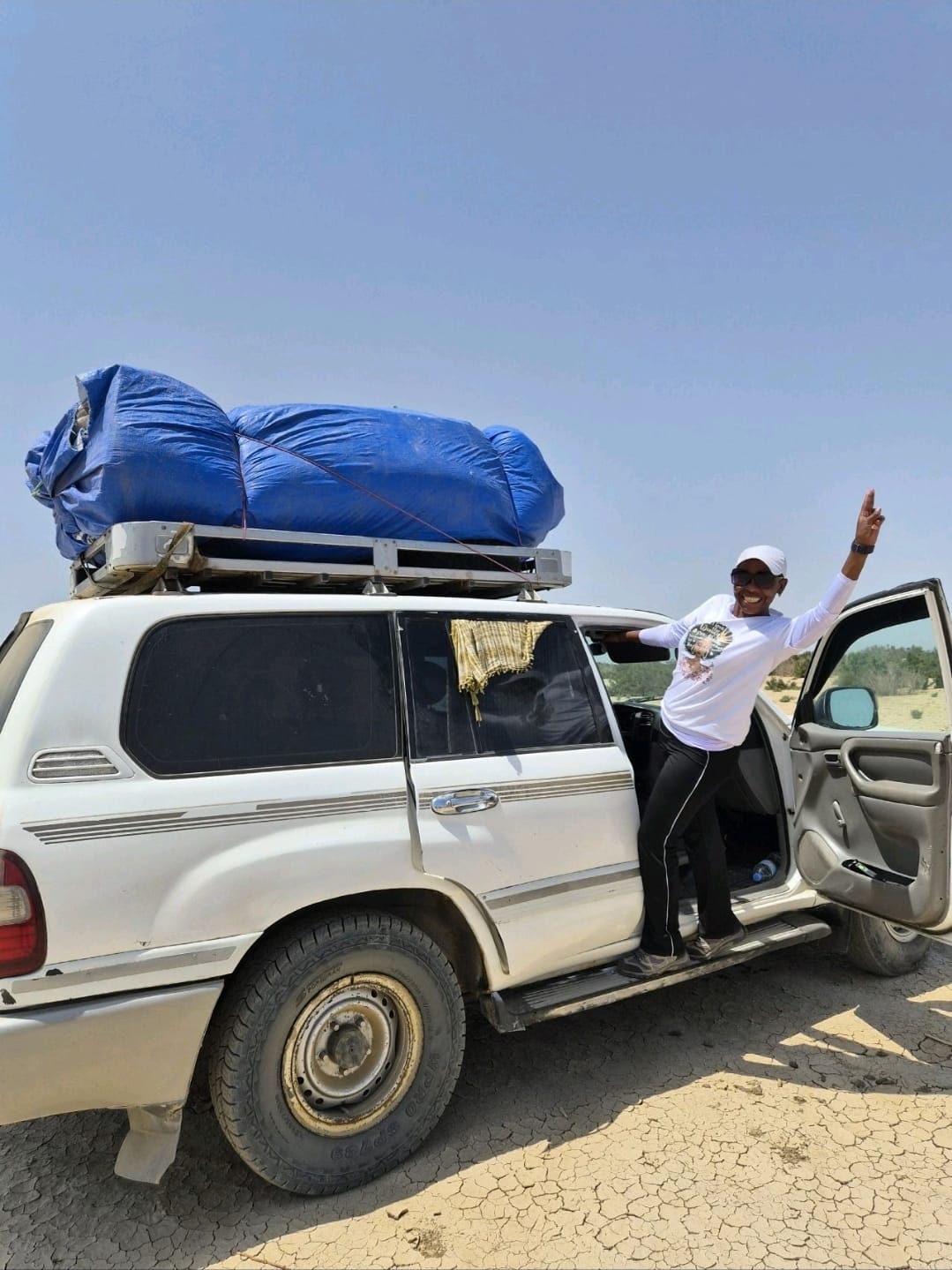
It was a makeshift camp, strategically positioned to benefit from the breeze. We came with our beds, food and chefs from Semera. It took us about seven hours from Semera, with one stop at Afdera.

The police and military guard the area. We also travelled with security from Semera, while the military had a nearby camp. No, there was no sense of insecurity at all. Food was cooked at the campsite, and the different tour companies had dining areas for their guests.

Yes, my survival tactics were tested. Makeshift toilets, no showers, no electricity and, of course, you already know about the accommodation. I have watched enough Mount Everest documentaries to understand that base-camp challenges were present here too.

In the end, we all survived!

Chapter 17

Hiking to Erta Ale Volcano

The Active Volcano Experience

By the way, the campsite was approximately 60 kilometres from the Eritrean border. Very close, hence the security presence.

Back to the hike. We were told it would be a 20-minute hike there and 20 minutes back. Well, it took almost two hours! Curiosity killed the cat, they say. But what exactly took us to an active volcano site?

Up there, volcanic gases were literally choking us. We coughed and coughed. We had been asked to carry scarves to cover our noses. Eh, eh! We coughed enough and eventually had to move away from the fumes.

The short story is that following the November Haylu Gubi eruption, the visible lava flow at Erta Ale stopped. Although the volcano remains active, the main lava display was no longer visible. The volcanic gases, however, remained constant.

We did not see much because we arrived late at the top of the mountain, so we planned for a morning hike. We walked back down in darkness, guided by headlamps, which we had been required to bring.

The journey continues. We had already completed four scenic hours.

Chapter 18

47°C and the Road Through the Desert

The Transformational Desert Journey

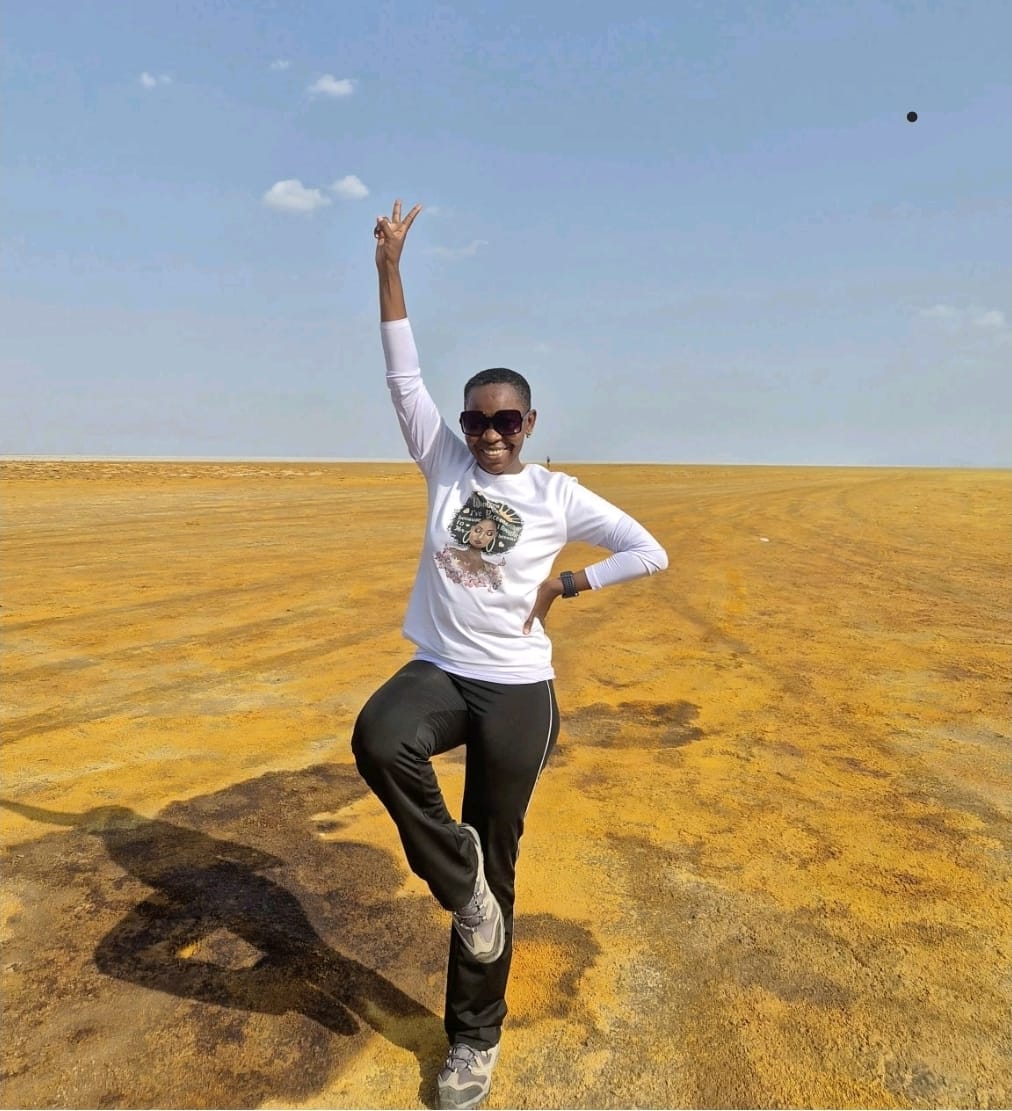
Standing on the yellow salt plains on the way to Dallol

Proof of life! We survived 47°C yesterday. While we were surviving, we had no mobile connection. So let's say it together: YES, WE SURVIVED! I will share more updates when we resume after finishing our digital detox.

We were now criss-crossing the desert from Erta Ale to Hamad Ela. The temperatures ranged from about 29°C to 44°C. We made it. This was a tough stretch.

You know those trips where you feel like you are going nowhere because all you see is God's work? Yes. It felt exactly like that. Whenever we encountered a few nomads, the question was always, how do they survive this harsh weather? Guys, it was tough driving through there.

For four hours, with one help-yourself-in-the-bush stop, our job was simple: admire the changing landscapes. And what landscapes they were! Rocks, trees, mountains, roads, dunes, camels and anything else we could see.

I have taken many road trips, and the only one I can compare this to is Kenya's Chalbi Desert. But Chalbi is a baby road trip compared with four hours in the Danakil Depression.

The best part was that the journey gave me a rare opportunity to look deeply inward, to listen to the many voices that had been singing in my mind. I reviewed my 2026 plan, reflected and evaluated my progress. At the end of those four hours, I had made several important decisions and got answers to many questions. Basically, I held a four-hour AGM in the desert. Who does that? Meeeeee!

We arrived at Hamad Ela for some roasting. The place was hot. We had lunch at one of the campsites. The first question was, “Are we sleeping here?” They said our camp would be moved to a friendlier location. It was 44°C!

After lunch, we were taken to a coffee shop to cool down while waiting for the temperature to drop. Our next destination was too hot to visit at that time. True to their word!

The highlight of my desert road trip was the stretch from Hamad Ela to Dallol. Waooooooooo! Take me back there anytime.

Before I confuse you with my excitement, this Danakil Depression road trip is tooooooough, guys! Veeeeery tough.

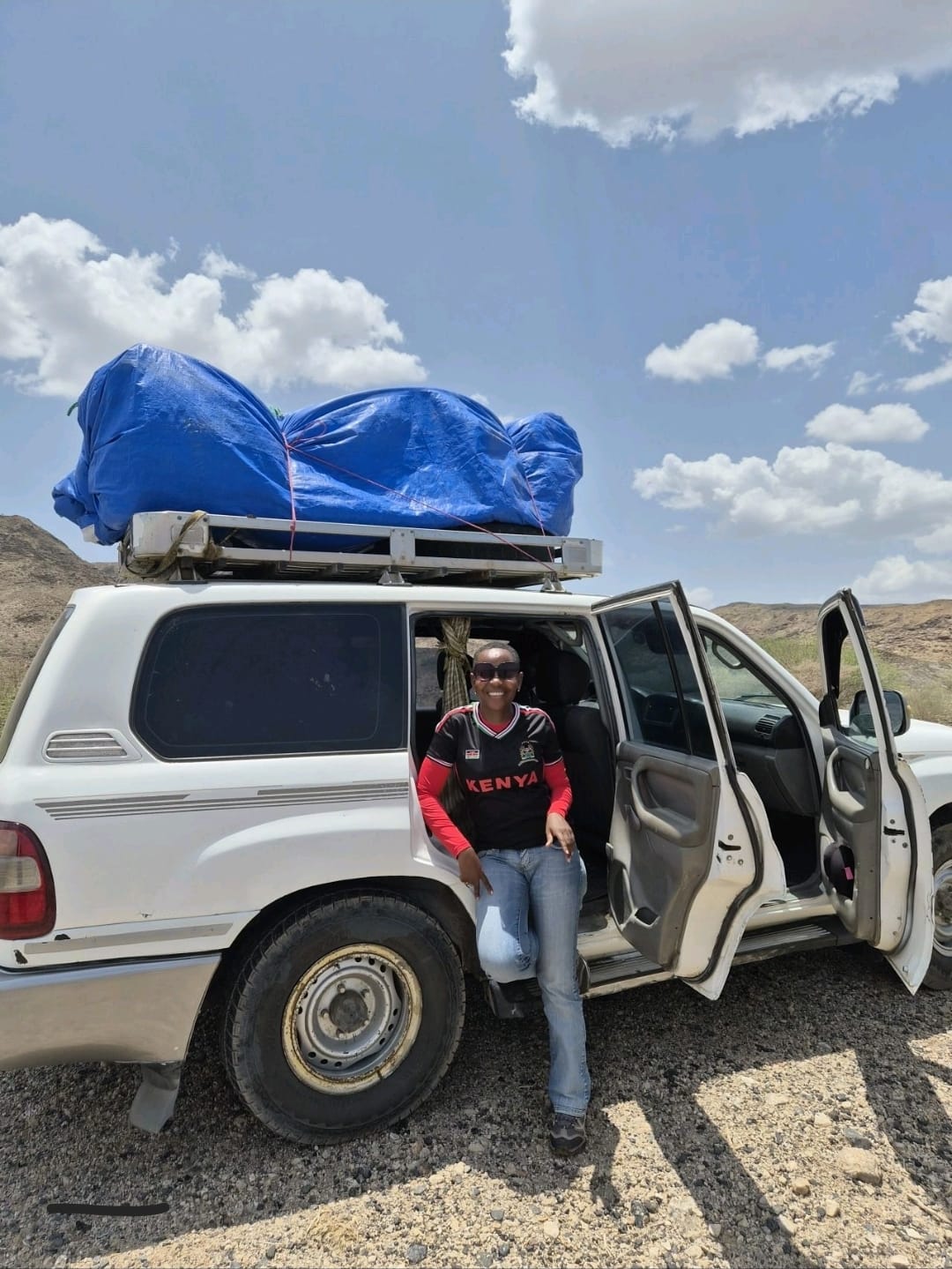
Let's proceed to Dallol. We moved from tarmac roads to desert paths. Here, the drivers have serious skills. They moved in a well-coordinated convoy, and the magic was happening right in front of our eyes.

Cracks ran across the black surface. We could see a lake from a distance. Then the salt plains appeared, almost as if we were driving on salt. And yes, we were literally driving over salt. Before we knew it, the surface had turned yellow. Wipe my tears, please. It was magical.

I couldn't stop admiring my videos. Yeeeeeees! I am working on my YouTube channel! One of the resolutions from my desert AGM was: be bold. Do it, Mbandi.

Finally, I visited one of the most colourful places on the planet: the Dallol hydrothermal field.

First things first. Dallol is one of the hottest places on Earth. It was here that we recorded 47°C. Guys! It was tooooooough. Very, very tough. We said a prayer in case our bodies failed us.

The area is extremely acidic and contains strong sulfurous fumes, often described as smelling like rotten eggs. We were instructed to cover ourselves appropriately. Surviving the high temperatures and that smell was a genuine test of endurance. We were under strict guidelines and had an evacuation plan in place. The most important instruction? Do not touch anything.

Getting to the top involved a hike. I had underestimated the number of hikes on this trip. Weeeee! It was so hot. I cannot properly describe the experience. We carried our own water because hydration was critical. The harsh conditions meant we could not stay long, and for good reason.

But in that harsh environment, I stood there admiring the most beautiful colour formations. Mwathani! What is this? Goodness! It was extremely beautiful.

The beautiful images have replaced many of the difficult memories in my mind. And honestly, I want them to remain there because nothing beats the Dallol experience. Nothing, I repeat.

And above all, we survived! Something transformed in my life here. And that transformation was beautiful, just like the place.

Chapter 19

The Mysterious Salt Pool

One of the Most Photographed Spots in Dallol

One of the most photographed spots in Dallol is a tiny, extremely salty pool in the Danakil Depression. I had been looking forward to reaching this place. Every YouTuber who visited the Danakil Depression seemed to highlight it. And who am I?

The tour guides said it had no official name. However, online research identifies the small salty pool near Dallol as Ga'alo Lake, also referred to as the salt pond near Dallol.

Whatever it is called, here is the place! It is tiny but extremely interesting. Very, very nice. You get in and automatically float. No swimming skills required. Why? Because the water is extremely saline. Similar to the Dead Sea, the high salt concentration makes floating easy.

Everyone had a short opportunity to enter, float and take photos and videos. Because of the extremely high salt concentration, long swims are not recommended. The salt-crystal edges are also sharp and can cause injuries, so getting in and getting out requires strategy and harambee!

Immediately after swimming, water was poured over us to rinse off the salt because salt water can irritate the skin.

Next destination?

Chapter 20

The Bubbling Hydrothermal Pool

Dallol's Raw, Otherworldly Beauty

Maajabu! A bubbling hydrothermal pool near Dallol. The Danakil Depression had revealed another side of its raw, otherworldly beauty.

We survived!

This was a bonus destination, and it was much appreciated. The pool smelled strongly of petrol. The water looked oily, hot and completely unforgiving.

Somehow, I felt like we were literally in a death zone throughout this journey. The landscapes were breathtaking, but the environments were unmistakably harsh. Explaining it is one thing. Thinking about where we went and actually making it back is something else.

Imagine this. These hydrothermal pools can be acidic, toxic and extremely hot. So even though they look fascinating, they are not safe places to touch or swim in. And somehow, we touched the water! Yo!

The petrol-like smell is associated with a mixture of underground hydrocarbons, sulfur and other minerals reacting with the water. There were also traces of oily material on the surface, giving the pool its unusual appearance.

Wasomi, mnashika hii?

Mimi, I have seen it all on this trip.

Chapter 21

Chasing Sunrise and Sunset at Lake Asale

The Salt Lake of the Danakil Depression

Out on the cracked salt flats near Lake Asale in the Danakil Depression

We chased the sunset and sunrise at Lake Asale in the Danakil Depression, approximately 120 metres below sea level. It is one of the lowest places in Africa.

This was the perfect place to relax after an incredibly harsh day and night. We were literally walking on salt. Lake Asale experiences temperatures similar to those around Dallol, around 44°C and sometimes higher. It is unforgiving, but it is also extremely beautiful.

This is a place of resilience, survival and tradition. It is located in one of the hottest inhabited regions on Earth. Imagine a place so hot that water evaporates, leaving behind vast salt flats.

The lake is extremely saline, far more concentrated than seawater. As the water evaporates, salt crystals remain behind, creating landscapes that can look like snow but are actually salt.

Lake Asale is an endorheic lake, meaning it has no outlet. Water leaves mainly through evaporation, which is why the salt concentration continues to increase.

Chapter 22

The Salt Canyons of Dallol

Where Nature Forgot the Rules

Wonders of the unique Salt Canyons of Dallol.

If you don't want to take the entire desert trip, you could consider focusing on the Dallol section. This place will test your survival skills, but it will also give you some of the most amazing experiences.

We stopped at a place we initially thought was made of rocks. Then we were told, “Nope! They are not rocks.”

Waaaaaat?

They are layers of salt deposits carved into walls and ridges. They formed when ancient water evaporated, leaving thick deposits of salt behind. Over time, wind, heat and occasional water flow shaped them into the structures we see today.

They are primarily made of halite, which is salt, mixed with other minerals. The horizontal lines represent layers that accumulated over thousands of years. The darker sections are caused by oxidation and mineral staining. The cliff-like shapes are the result of erosion of salt blocks and pillars.

Somewhere in Dallol, nature forgot the rules and created this.

Having just come from boiling at 47°C among the colourful hydrothermal formations, this place felt almost cool at 44°C.

I tell you, the harshest and hottest place did not disappoint.

We survived!

Chapter 23

Thriving With Strangers

The Power of Connection

As the only Kenyan and African in my group, it was obvious that I didn't know anyone. Not even the ground crew. My travel agent in Addis booked the trip, and they operate almost like a Jambo Jambo arrangement.

I made good progress with the other tourists from the beginning. Daisy's words to Eunice, “You need to network more,” were haunting me. So I tried. Hard and smart.

Here, survival depended on one another. So lazima tuongee. We suffered together, navigated challenges together, swam together, ate together, experienced open-sky accommodation together, drove together for hours every day and helped one another with photography and videography.

The good thing was that everyone was chill. People only talked when necessary. That revealed a lot to me. Mostly, we focused on enjoying the journey and congratulating one another whenever someone survived another stage.

About 95% of us were solo travellers. Luckily, most had travelled extensively before, so we exchanged travel notes and recommended destinations for future adventures.

Of course, I marketed Magical Kenya. And guess what? I got five people whose bucket lists included visiting Kenya. Yeeeees! One had already visited Kenya. Their feedback was that they loved Watamu and Ol Pejeta.

Guess what? I survived in the company of strangers. And surprisingly, I actually felt safer around them.

I now somehow understand why I have always had a phobia of networking or being around too many people. Like guys, three is a crowd to me.

Solitude had won my life, but I promise to find more strangers to hang around with.

Just not in the desert!

Chapter 24

The Road Back From the Desert

An Eight-Hour Transformational Journey

On the eight-hour road back through the desert to Semera

Eight hours through the desert. Let's call it the transformational journey.

This was a road to and from Damascus, guys! Sometimes moments of confusion, loss or stillness can actually lead to deeper understanding.

This trip will go down in history as one of survival. Yeeeeeeeeees! We are almost coming to the end of the series. I hope you have found these updates helpful.

We were tired, but we saw a lot. We suffered, guys. We survived, and we were transformed.

The journey back took approximately eight hours. We stopped for lunch at Afdera, where the temperature was a favourable 44°C. By now, our bodies had started acclimating to the harsh weather.

This was lunch. Yes, we saw dust in this area, meal-wise, but again, si am I typing this? We survived!

Our driver was tired. We could see it. So we stayed awake throughout the journey to keep him company.

Then we arrived in Semera.

And guys, we were met with excitement!

Yeeeeeeeeees!

We saw the airport and almost cried.

Freedom at last!

We had made it.

We had survived.

Chapter 25

A Little Soft Life Before Going Home

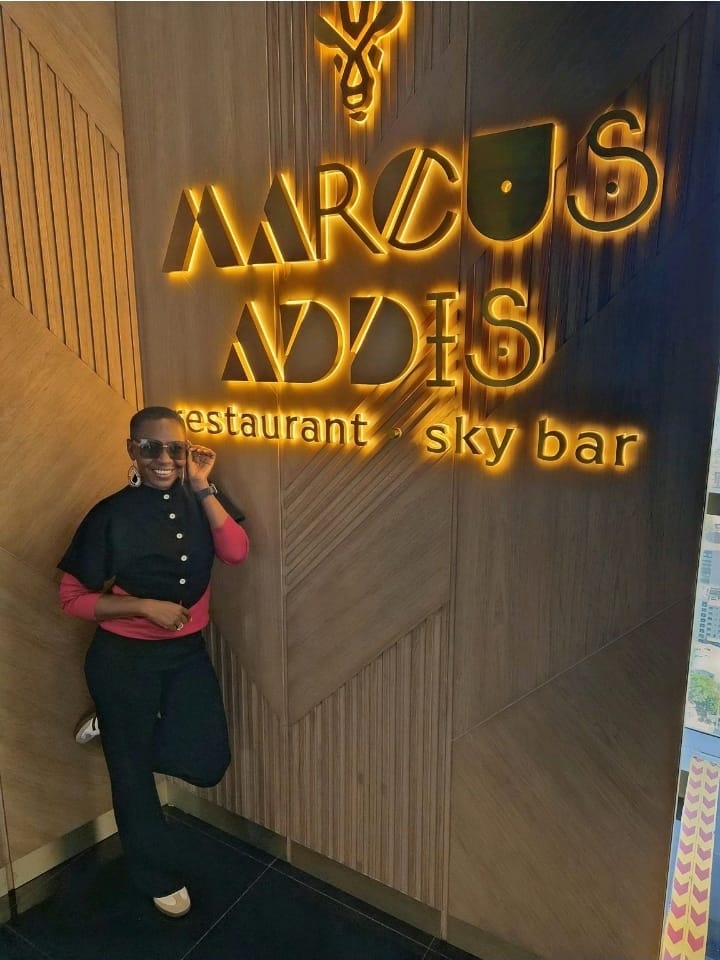
Marcus Addis Restaurant and Sky Bar

At Marcus Addis Restaurant and Sky Bar in Addis Ababa

Lunch at the famous Marcus Addis Restaurant and Sky Bar, located on the 47th floor of the tallest building in East Africa in Addis Ababa, Ethiopia.

And yes, I had to say it again: the tallest building.

Not everything about this trip was harsh, my people. I sprinkled in some soft life hapa kule.

This solid plug came from one of you right here on LinkedIn. Makofi! Collins Ayodo PMP®, ITIL®, said, “Eunice, while there, you must visit Marcus Addis, Restaurant and Sky Bar.”

I did a quick search on Marcus Addis and thought, wait a minute, this looks like my kind of place when I'm not surviving in the desert. Reservation made, cab booked, and off I went. Soft-life mode activated!

The view from the 47th floor took me back to my visit to the KICC rooftop, and before I knew it, I was singing “Sijui Sijui.” You know that song? No? Search for it on YouTube.

Guys! The ambience in this place, the décor, the view of Addis — guys! Let's give flowers where they are due. Yo! The place is beautiful! Honestly, it gave me vibes of CÉ LA VI Dubai.

Back to what took me there: food. I am not a foodie or food vlogger, so I won't pretend to give you a professional review of taste and flavour. But wait a minute... those potatoes! Not potato Njeri, the other potatoes. They were some of the best potatoes I have ever had. I also had steak. Eh, eh! The name of the dish? We shall remember it later, but the experience was unforgettable, just like the desert.

Oh! Before I forget, Speed was here. Yes, that Speed. IShowSpeed. The one who was in Kenya and had us entertained while learning a million lessons at once. Sorry, I digress. Mbandi, focus!

I asked, “Hi, excuse me, may I see the rest of the restaurant?” “Sure.” Guys, I walked around and waoooood at everything, even the carpet. Then I found this beautiful private dining area and immediately started planning my graduation party there.

These guys have really done a great job. The spaces are thoughtfully designed, the décor is amazing, and the views are something else. Everything was screaming, “This is the place to be!”

So, if you are visiting Addis Ababa or you live there, please add Marcus Addis to your itinerary. You will thank me!

But Collins had made another special request. Collins, yawa! He said, “Eunice, while there, also ask for Chef Odi Gowa. He is Kenyan.”

Who am I to say no?

I asked, “Excuse me, is Chef here?” “Yes.” “Please tell him there is a Kenyan here who would like to say hi.”

And that's how I got to meet our very own Kenyan chef, doing an amazing job at Marcus Addis. Another reason for you, fellow Kenyans, to support our own.

This recommendation comes straight from my heart.

And now...

we go back home. 🇰🇪🇰🇪🇰🇪🇰🇪

Follow the journey

Come along.